English

 Stays
Stays Car Rental
 Rewards
 Travel Guide
  Contact
San Francisco Bay Area World Cup 2026 Travel Guide: Matches, Food & Things to Do


As the FIFA World Cup 2026 comes to North America, the San Francisco Bay Area stands out as one of the tournament’s most visually striking and culturally layered host regions. While San Francisco often draws the spotlight, the broader Bay Area—including Santa Clara, San Jose, Oakland, and the Pacific coastline—offers a depth of experiences that extend far beyond a single city.
For traveling supporters, the region pairs elite football with Northern California’s natural beauty. Coastal breezes, golden hills, and dense urban energy create matchdays that feel immersive long before kickoff. Whether you’re attending a single fixture or planning a longer California stay, this guide covers stadium details, transportation, dining, and standout experiences between matches.
Note: Match dates and stages are confirmed, but teams, kickoff times, and official match numbers will be finalized only after FIFA’s official draw. Any numbering should not be treated as final.
|
Date (2026) |
Stage |
|
June 13 |
Group Stage |
|
June 16 |
Group Stage |
|
June 19 |
Group Stage |
|
June 22 |
Group Stage |
|
June 25 |
Group Stage |
|
Early July |
Knockout Stage (Round of 32) |
During the tournament, FIFA will refer to Levi’s Stadium as “San Francisco Bay Area Stadium.”
The Stadium: Levi’s Stadium, Santa Clara

Opened in 2014, Levi’s Stadium is home to the San Francisco 49ers and ranks among the most technologically advanced venues in the United States. Designed with sustainability and fan comfort in mind, it has a standard seating capacity of approximately 68,500, expandable to around 75,000 for major international events like the World Cup.
The stadium is located in Santa Clara, about 45 miles south of San Francisco and 10 miles north of downtown San Jose, placing it firmly in the heart of Silicon Valley
Getting to Levi’s Stadium

Matchday transportation is manageable with planning, thanks to strong regional transit links.
By Train
Caltrain operates along the San Francisco–San Jose corridor. On event days, fans typically transfer at Mountain View or Santa Clara stations and continue via VTA Light Rail or event shuttles. Total travel time from central San Francisco generally ranges from 90 to 120 minutes, depending on connections and crowd volume
By Light Rail
VTA Light Rail provides the most direct access, stopping at Great America Station, located immediately next to the stadium.
By Air
-
San Jose Mineta International Airport (SJC): ~10 minutes
- San Francisco International Airport (SFO): ~35 miles north
- Oakland International Airport (OAK): ~40 miles away
By Car or Rideshare
Levi’s Stadium sits just off U.S. Highway 101 near Great America Parkway. Parking must be reserved in advance through authorized providers. Rideshare pickup and drop-off zones operate along Tasman Drive. Early arrival is strongly advised due to event-day congestion
Where to Eat Around the Bay Area

The Bay Area’s food scene reflects its cultural diversity and global influence.
- Greenlee’s Bakery: A South Bay institution known for its cinnamon bread and comforting breakfast options.
- Ramen Nagi: Famous for highly customizable ramen, including thoughtfully prepared vegetarian broths.
- The Breakfast Club: A brunch favorite known for crab cake Eggs Benedict, and churro waffles.
- Falafel’s Drive-In: A classic walk-up spot serving affordable Middle Eastern comfort food and banana milkshakes.
- Zuzubowls: Caribbean-inspired bowls with fresh, plant-forward ingredients and customizable proteins.
- Jackie’s Place: A family-run, Black-owned restaurant serving Texas-style barbecue and Southern comfort dishes
What to Do Between Matches

When the game ends, the Bay Area takes center stage—inviting fans to trade stadium seats for coastal views, creative neighborhoods, and some of California’s most iconic landscapes, all within easy reach of matchday action.
Golden Gate Bridge
Walking or cycling across the Golden Gate Bridge delivers sweeping views of the Pacific Ocean, Marin Headlands, and San Francisco Bay—especially dramatic when fog rolls in.
Oakland
Oakland plays a vital role in the Bay Area’s cultural identity. Lake Merritt offers a scenic urban walking loop, while neighborhoods near Telegraph Avenue highlight the city’s food, music, and nightlife. The city is also deeply connected to Black history, arts, and activism.
Big Sur
For travelers extending their stay, Big Sur offers some of California’s most iconic scenery. Located roughly 2.5 to 3 hours south, the drive features cliffside views, redwood forests, and
Useful Travel Tips

- Daytime temperatures typically range from 70–80°F (21–27°C), but evenings can be cool—layers are recommended.
- A Clipper Card allows seamless access to Bay Area public transit.
- Most venues operate cashless payment systems.
- The region is generally safe and welcoming; standard awareness is advised in crowded tourist areas.
- English is widely spoken, with Spanish and Tagalog also commonly heard
Few World Cup host regions offer the same blend of innovation, natural beauty, and cultural depth as the San Francisco Bay Area. Iconic landmarks, world-class dining, scenic coastal drives, and the electric atmosphere of Levi’s Stadium combine to create a matchday experience that extends well beyond the pitch.
With efficient transport links, diverse attractions, and one of the most advanced stadiums in the tournament, the San Francisco Bay Area World Cup 2026 is positioned to be one of the competition’s most memorable stops.
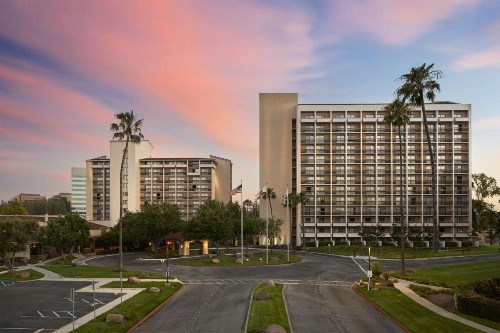
Book your hotel near Levi’s Stadium from our curated list—ideal for World Cup matchdays and easy transit access.
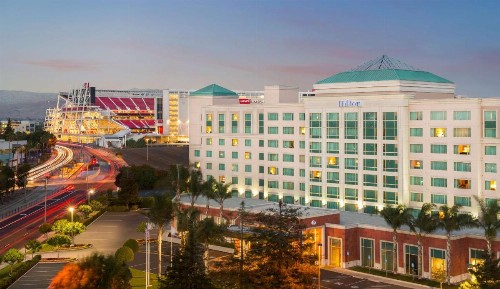
 8.1
Very good
8.1
Very good
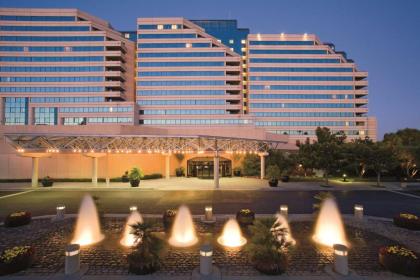 8.6
Very good
8.6
Very good