English

 Stays
Stays Car Rental
 Rewards
 Travel Guide
  Contact
Mount Rushmore: Quick Guide for First-Time Visitors

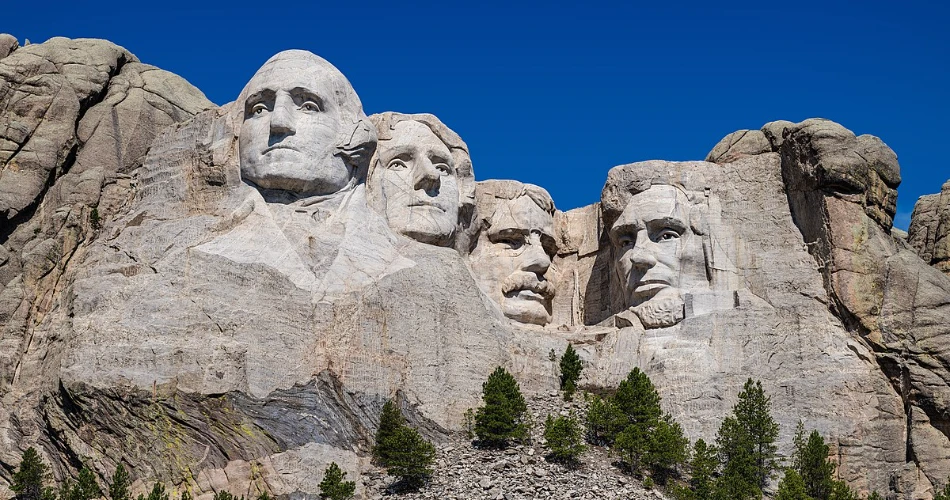
With 60-foot presidential faces carved into granite in the Black Hills of South Dakota, the magnificent Mount Rushmore is one of America’s most famous monuments — and a must-visit for anyone seeking both history and adventure. If it’s your first time, a little planning can turn this from a quick photo stop into a day trip filled with hikes, ranger talks, viewpoints, and even a patriotic evening ceremony.
This Mount Rushmore travel guide walks you through everything: how to get there, the best time to visit, top sights, and helpful tips — so your trip feels less like guesswork and more like an epic American road trip story.
Why Visit Mount Rushmore?
Mount Rushmore is far more than a stone selfie backdrop. It’s a unique blend of art, engineering, politics, and landscape rolled into one ambitious project. Between 1927 and 1941, sculptor Gutzon Borglum and his team chiseled the faces of four U.S. presidents into the granite cliffs. Each president was chosen to represent a defining trait of the nation: birth, growth, development, and preservation.
But beyond those four giant heads lies much more. The memorial is home to a visitor center, exhibits, ranger-led talks, scenic overlooks, and well-kept trails. It’s also a place where travelers connect with American history, all against the backdrop of pine-covered Black Hills skies.
For many, it’s a mix of awe and amusement: where else can you look four presidents in the eye without them looking back?
How to Get There
By Air
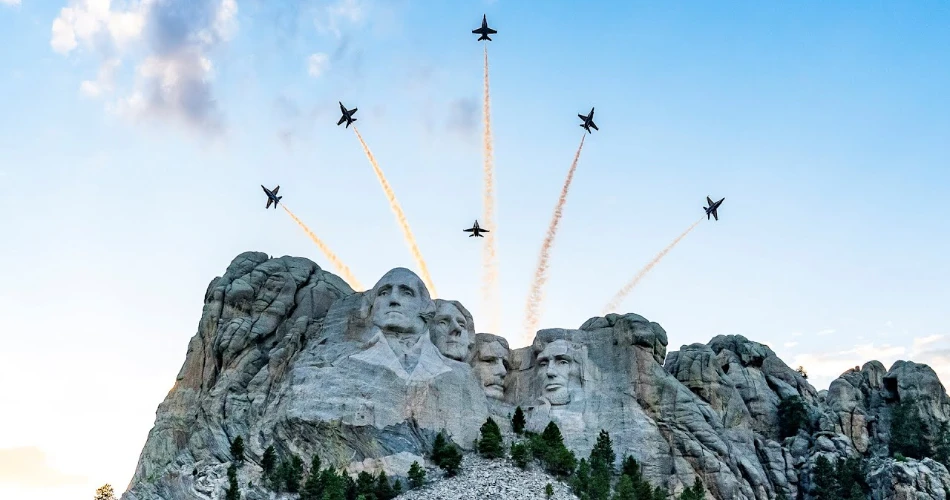
The closest airport is Rapid City Regional Airport, about a 30–40 minute drive to Mount Rushmore. Flights here are easy for connecting road trips, and you can grab a cab or rental car to reach the memorial. Bonus: a rental gives you flexibility to explore nearby sites like Crazy Horse Memorial and Custer State Park.
By Car

If you’re driving along Interstate 90, exit at Rapid City and follow U.S. Highway 16 toward Keystone, then merge onto State Highway 244 to reach the memorial.
Coming from the south (Hot Springs or Hill City)? Stick to U.S. 385 north, then SD-244. These Black Hills roads are scenic and winding — part joyride, part patience test. Drive safely, allow extra time, and remember: this isn’t NASCAR.
Guided Tours

In summer, guided tours are popular. They include round-trip transportation, commentary, and stops at multiple Black Hills attractions. Some even offer hotel pickup, so you can sit back while someone else worries about traffic, parking, and maps.
Parking and Fees
Entrance to Mount Rushmore is free. The catch? Parking isn’t. The parking fee applies per vehicle, but here’s the good news: your parking pass is valid for a full year. So technically, you can visit multiple times.
Best Time to Visit
The best season to visit Mount Rushmore is summer (May–September). The weather is warm, daylight lasts longer, and all ranger programs run at full swing. The flip side? Crowds. Lots of them.
If you prefer elbow room and cooler weather, try late spring (May) or early fall (September–October). You’ll still get great weather without standing in line behind 200 people angling for the same photo spot.
Lighting Ceremony
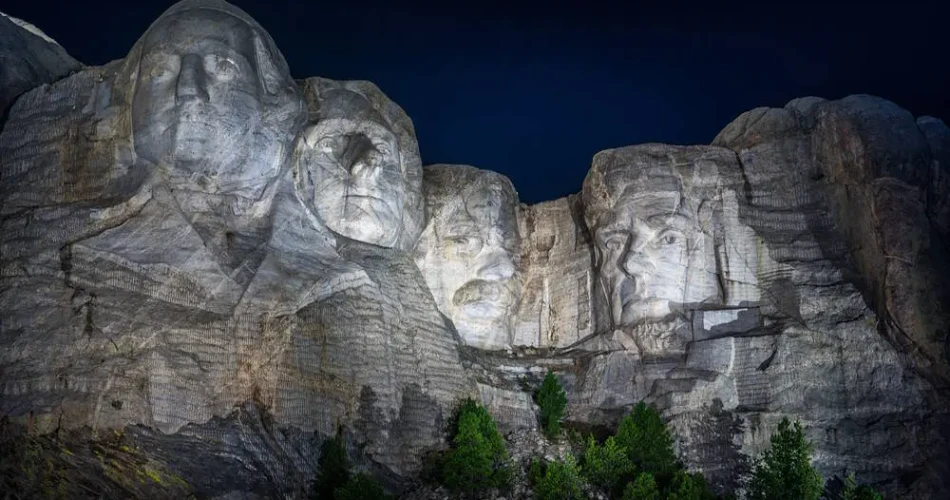
One of the highlights of summer is the evening Lighting Ceremony, when the massive faces are illuminated against the dark Black Hills sky. A park ranger leads a short program before the lights switch on, creating a dramatic, patriotic moment. Check the official schedule — times vary by season.
Weather & Packing
Black Hills weather has a mind of its own. One minute it’s sunny, the next you’re in a jacket. Dress in layers, wear sunscreen, and bring sunglasses. And if you’re planning the Presidential Trail, comfortable shoes are a must — unless you enjoy discovering new muscles you didn’t know existed.
Top Things to See
Avenue of Flags
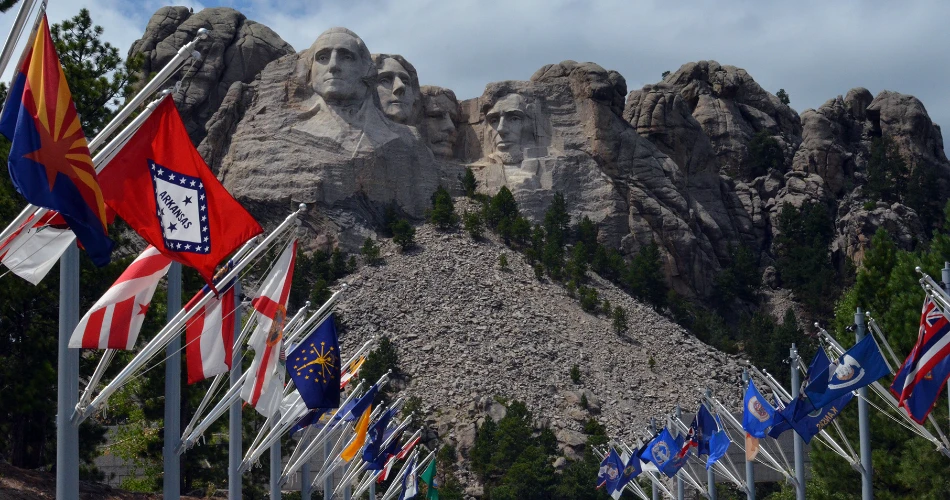
One of the first sights after leaving the parking area, the Avenue of Flags lines your walk with banners from all 50 states plus territories. It’s like a patriotic runway that frames your view of the memorial ahead. Great for family photos — and a fun way to quiz your kids on state capitals.
Grand View Terrace

The Grand View Terrace is the main viewing platform where you’ll get that classic, straight-on look at the four faces. Interpretive panels explain the presidents’ symbolism, and announcements for ranger talks are made here. It’s also the hub that connects you to the Presidential Trail, Visitor Center, and Sculptor Studio. Think of it as Rushmore’s Times Square (minus the traffic horns).
Presidential Trail
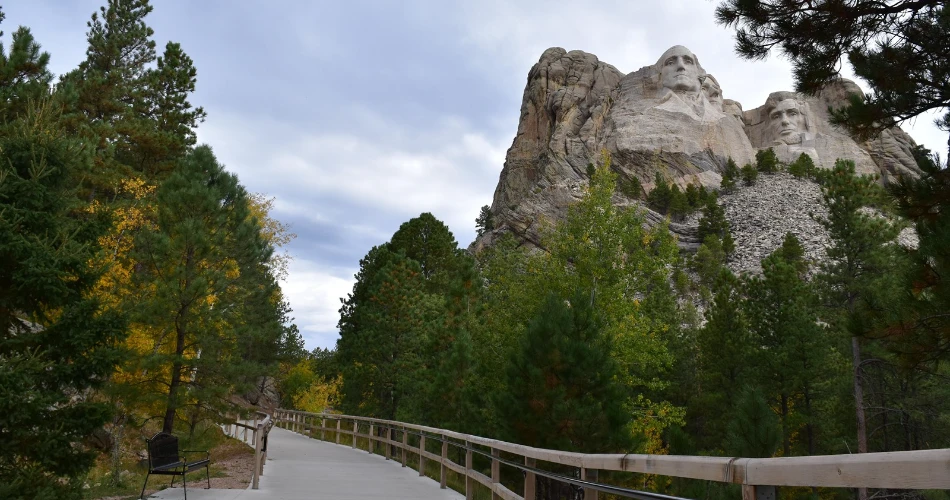
A short but rewarding 0.6-mile loop that gets you closer to the monument. The first section is wheelchair accessible, while the second half includes more than 400 stairs (cue your step counter). The trail provides multiple viewpoints and angles, including ones that make Lincoln’s nose look impressively huge.
Sculptor Studio & Lincoln Borglum Visitor Center
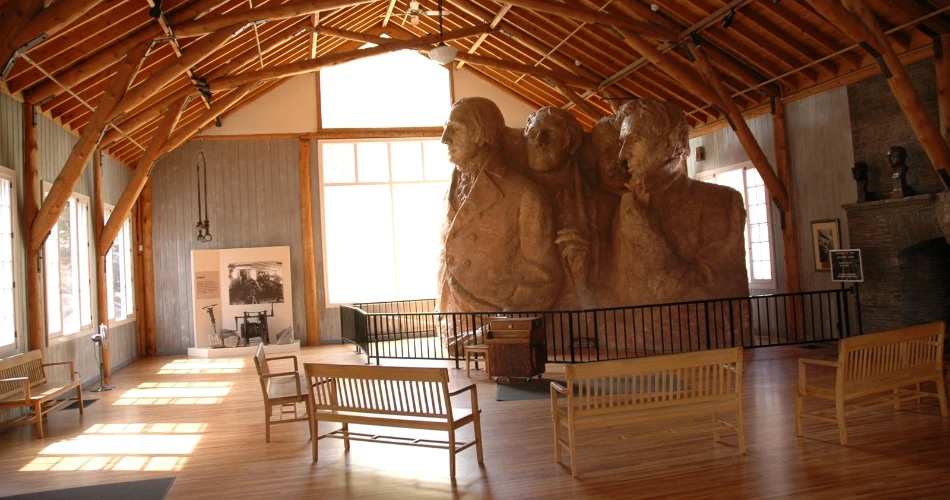
The Sculptor Studio displays Borglum’s original models and tools, showing how the project evolved. It’s a fascinating peek into early 20th-century engineering without modern machines. The Lincoln Borglum Visitor Center (named after Gutzon’s son, who finished much of the project) features films, exhibits, and a detailed look into the carving process. Together, they make the faces feel less like a mystery and more like an engineering marvel.
Evening Light Ceremony

Held from late spring to early fall, the ceremony takes place in an outdoor amphitheater. Rangers give historical insights and reflections, followed by the dramatic lighting of the sculpture. Arrive 30–40 minutes early to snag a good seat. The ceremony is free, no reservations required, and unforgettable — kind of like watching a patriotic movie trailer come to life
Helpful Tips You Should Know Before Visiting
- Plan arrival time: Early mornings or late afternoons are best for smaller crowds and softer light for photos.
- Parking passes: Buy them onsite; they’re valid for a year, so keep them for return visits.
- What to pack: Layered clothing, a small daypack, water, snacks, and comfy shoes. Sure, there are gift shops and dining, but why pay $4 for water when you brought your own?
- Respect the rules: Pets are only allowed in parking areas and adjacent lots. Trails and terraces are off-limits. And yes, rangers really do notice when you climb over barriers.
- Accessibility: The Grand View Terrace and part of the Presidential Trail are wheelchair accessible. For other mobility needs, check with the National Park Service for detailed routes.
- Time management: Short on time? Spend 1–2 hours at the Terrace, Visitor Center, and Trail. Got a full day? Add the Sculptor Studio and take it slow.
Other Attractions in the Area
Even after you’ve soaked in every angle of the presidents, there’s plenty more around the Black Hills to keep your trip exciting. Here are nearby spots worth adding to your Mount Rushmore itinerary:
Crazy Horse Memorial
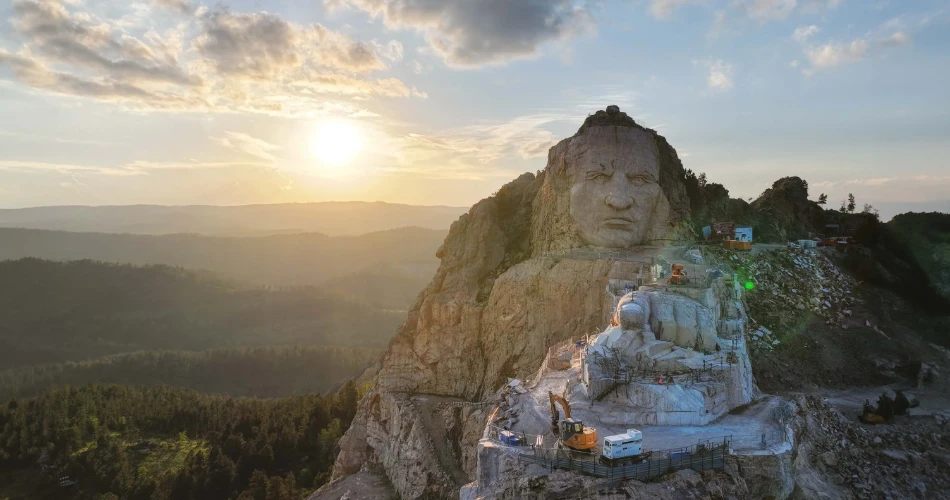
This massive, still-in-progress carving honors the legendary Oglala Lakota warrior Crazy Horse and celebrates Native American heritage. Located just 17 miles from Mount Rushmore, it’s destined to become the world’s largest mountain carving when complete. Along with the monument, you’ll find a cultural center, Native art exhibits, and educational programs. It’s a striking counterpoint to Rushmore — one carved for Native pride rather than presidential legacy.
Custer State Park
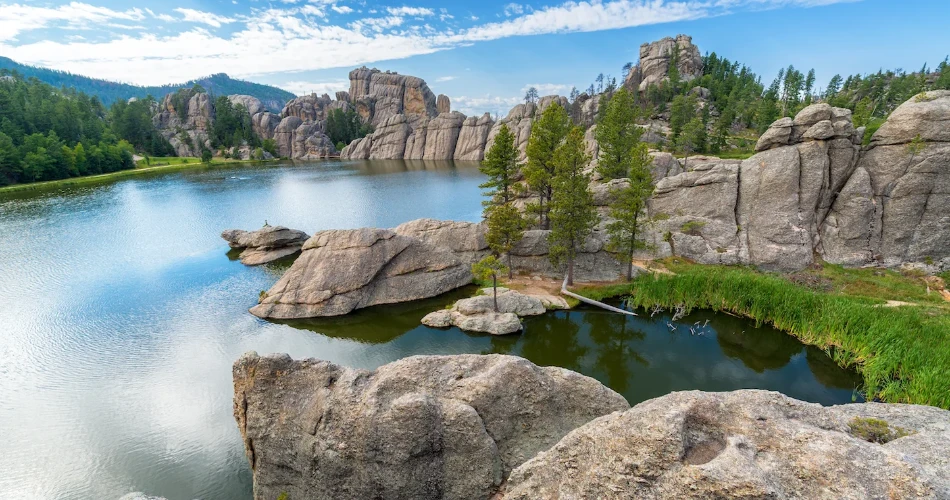
Sprawling over 70,000 acres, this park is a natural wonderland of scenic drives, wildlife, and pristine lakes. Take the Needles Highway to see dramatic granite spires, or the Wildlife Loop Road to spot bison, pronghorns, elk, and the occasional donkey blocking traffic (locals call them the “begging burros”). Don’t miss Sylvan Lake, a perfect picnic and hiking spot. Custer is one of those parks where you’ll say, “I’ll just spend an hour,” and suddenly it’s dinner time.
Badlands National Park
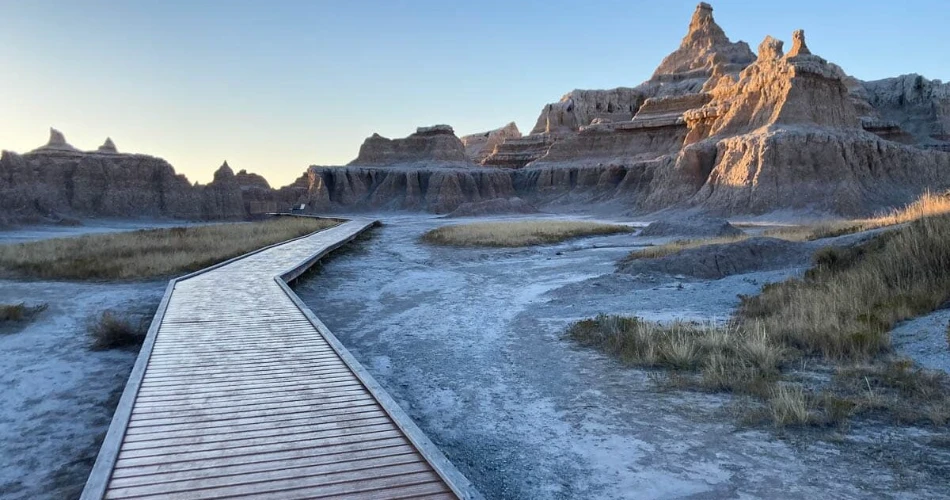
A couple of hours from Mount Rushmore, the Badlands are worth the drive. Here you’ll find rugged canyons, layered rock formations, and sprawling prairies that look almost alien. The park is famous for its sunsets, when the rock layers glow in pinks and oranges, and for wildlife like bighorn sheep and prairie dogs. Pro tip: plan at least half a day here if you want to hike some of the shorter trails. It’s like stepping onto another planet — only with more rattlesnakes.
Keystone
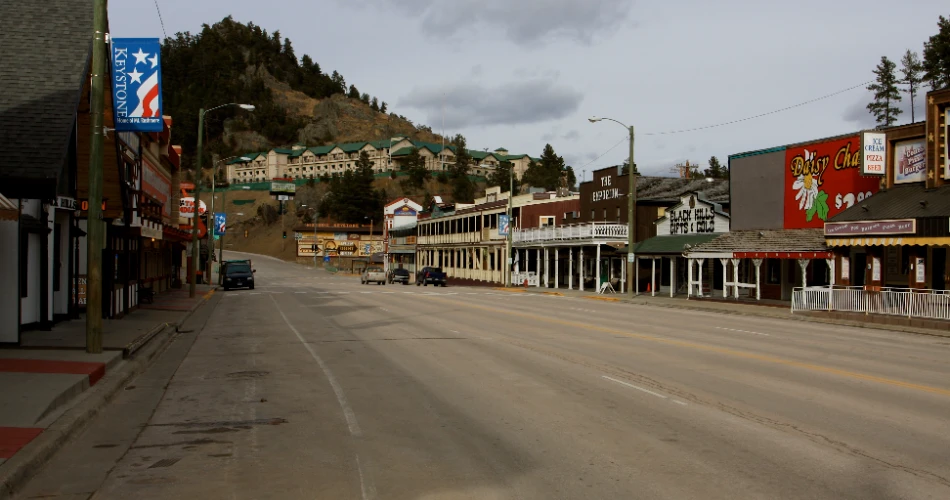
Just three miles from Mount Rushmore, this little town is the closest base for lodging and dining. It’s touristy in a fun way, with shops selling souvenirs, fudge, and Old West-style photo studios. Keystone is also home to the Rushmore Tramway Adventures, offering zip-lining and alpine slides. If you need a break from staring at granite faces, Keystone is where you’ll find funnel cakes and cowboy hats.
Rapid City
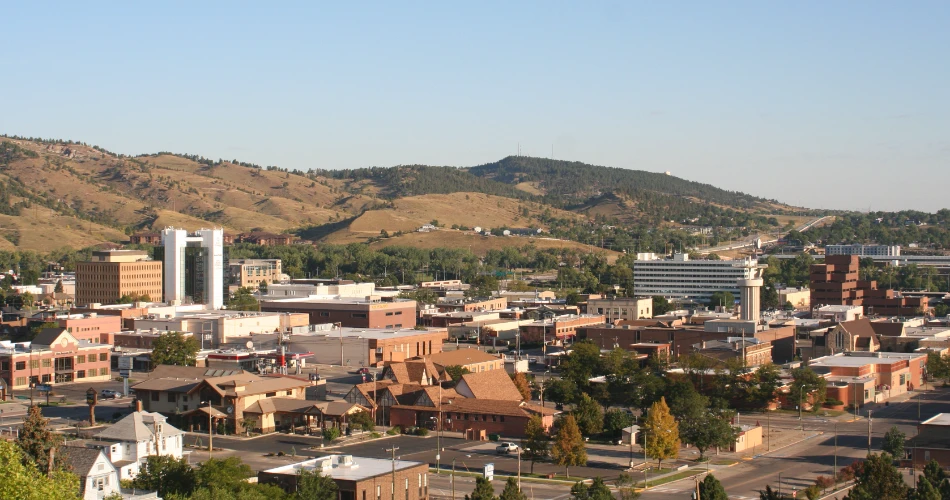
About 30 minutes from the memorial, Rapid City is the main hub of western South Dakota. Known as the “Gateway to the Black Hills,” it offers museums, restaurants, and quirky attractions like the City of Presidents, a downtown display of life-sized presidential statues. It’s also home to the Journey Museum, which covers Native American history, pioneer life, and geology. If you’re flying in or out, Rapid City makes a convenient base with plenty of hotels and dining options.
Wrapping up
Mount Rushmore rewards visitors who plan ahead. Arrive early for peaceful views and great photos, stick around for ranger talks and trails, and if you can, don’t miss the evening Lighting Ceremony — it’s a moving, patriotic highlight.
Yes, parking isn’t free, but your pass lasts all year. And the experience of standing in front of those massive faces, surrounded by Black Hills beauty, is priceless.
With history, trails, and scenic overlooks, Mount Rushmore offers an adventure that’s both educational and fun — and proof that sometimes, the best selfies are carved in stone.
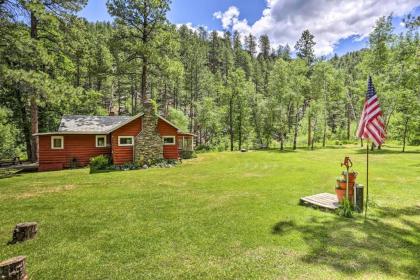
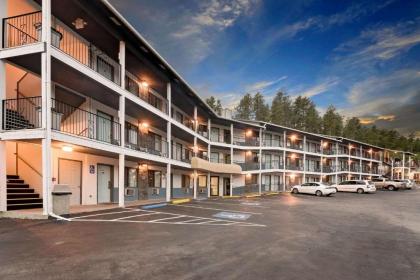
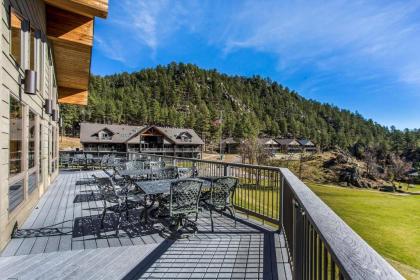
Some of the top hotels to stay near Mount Rushmore:
 8.0
Very good
8.0
Very good
 7.1
Good
7.1
Good
Next post 10 Best Hikes in Hawaii for Breathtaking Views
Previous Post 20 Best Road Trips in America: Scenic Highways, Cities, and Hidden Stops
About Author