 English

 Stays
Stays Car Rental
 Rewards
 Travel Guide
  Contact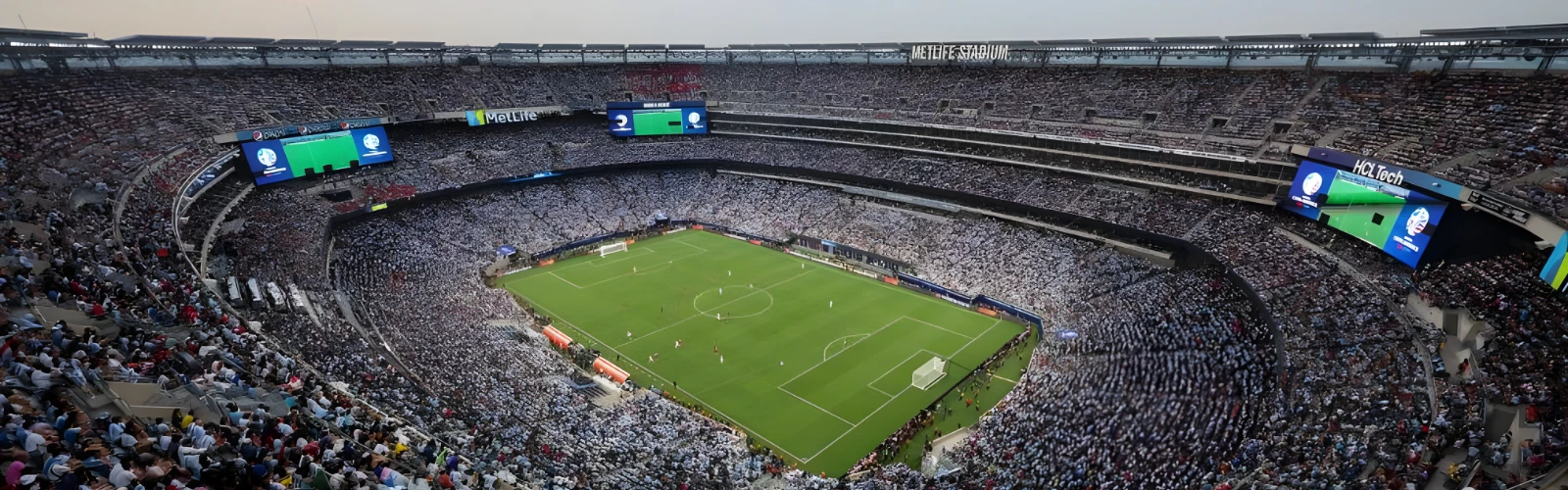
How U.S. Host Cities Are Gearing Up for the 2026 FIFA World Cup

When the FIFA World Cup arrived in the United States in 1994, it reshaped the country’s relationship with the global game. Attendance records were shattered, international interest surged, and the momentum helped launch Major League Soccer just two years later. That tournament proved the U.S. could host football’s biggest event—and do so on a global scale.
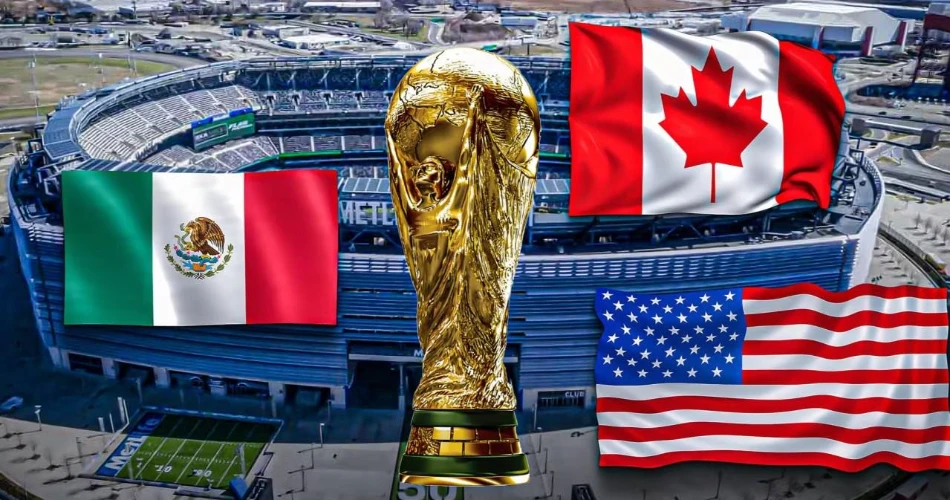
In 2026, the challenge is even larger. The United States, alongside Canada and Mexico, will stage the largest FIFA World Cup in history, expanded to 48 teams. Across the U.S., 11 host cities are preparing not only to stage matches but to welcome millions of visitors for a month-long international spectacle. FIFA-backed projections estimate the tournament could generate more than $17 billion in economic output in the United States alone, underscoring why preparations extend far beyond stadiums.
From infrastructure upgrades to citywide fan festivals, the World Cup is reshaping how American cities present themselves to the world.
West Coast: Technology, Transit, and Global Appeal

On the West Coast, host cities are prioritizing infrastructure, transportation, and large-scale crowd management.
In Los Angeles, preparations focus on SoFi Stadium, which will host multiple World Cup matches. The venue is being adapted to meet FIFA requirements, including the installation of natural grass. Regional transit improvements, including the long-anticipated LAX automated people mover, are expected to improve airport connectivity and ease congestion for international visitors.
Further north in Santa Clara, Levi’s Stadium has completed and announced a series of upgrades ahead of the tournament. Improvements include enhanced lighting systems, premium seating enhancements, and modernized digital displays—investments designed to support both the World Cup and future international events. The Bay Area’s cultural diversity and proximity to iconic landmarks add to its appeal for visiting fans.
In Seattle, preparations extend well beyond matchday logistics. Lumen Field will host World Cup fixtures, while the city has emphasized public art, pedestrian-friendly spaces, and neighborhood activations. Waterfront enhancements, murals, and pop-up installations reflect Seattle’s strategy of turning the tournament into a citywide celebration rather than a stadium-only event.
The South: Culture-Fowrard World Cup Experiences

Southern host cities are leaning into their cultural identities to shape the World Cup experience.
Atlanta is positioning itself as a cultural hub of the tournament. Mercedes-Benz Stadium will host multiple matches, while nearby public spaces—including Centennial Olympic Park—are expected to serve as major fan gathering points. Planned programming highlights live music, food showcases, and interactive events, aligning the tournament with Atlanta’s globally influential creative scene.
In Miami, preparations reflect the city’s reputation for spectacle and nightlife. Matches will unfold against a backdrop of waterfront neighborhoods and iconic architecture. City-led countdown events and large-scale public activations are already underway, with plans for an official FIFA Fan Festival featuring concerts, international cuisine, and interactive viewing zones.
America’s Heartland: Big Crowds, Big Ambitions

Central U.S. host cities are preparing for some of the tournament’s largest crowds.
The Dallas–Fort Worth region is expected to play a central role in the tournament. While final match allocations have yet to be confirmed by FIFA, the region is widely anticipated to host one of the highest numbers of matches. Preparations include transforming Fair Park into a large-scale FIFA Fan Festival site, designed to accommodate hundreds of thousands of visitors with live entertainment, massive screens, and regional food offerings.
In Houston, excitement is building around matches at NRG Stadium, including a knockout-round fixture provisionally scheduled for July 4. Citywide celebrations, public art installations, and cultural programming are being developed to align the tournament with Independence Day festivities, creating a uniquely American backdrop for the global event.
Read more in our Houston FIFA World Cup 2026 blog for local insights and matchday planning. Click here.
Further north, Kansas City is preparing to host several matches at GEHA Field at Arrowhead Stadium. Long-term initiatives focus on promoting local neighborhoods and small businesses, supported by countdown clocks, community events, and early fan engagement efforts.
East Coast: Tradition Meets the Global Game

On the East Coast, World Cup preparations blend historic settings with modern infrastructure.
In Boston, Gillette Stadium is undergoing planned enhancements ahead of hosting multiple matches. Improvements include upgraded hospitality spaces, improved concourse flow, and expanded digital displays. The region’s compact layout allows fans to combine matchdays with sightseeing, dining, and historic exploration.
Philadelphia will host matches at Lincoln Financial Field, while nearby East Fairmount Park is slated to host one of the region’s largest FIFA Fan Festival sites. Infrastructure investments include accessibility improvements, upgraded public amenities, and transportation enhancements designed to support large crowds.
The tournament reaches its climax in East Rutherford, New Jersey, where the 2026 FIFA World Cup Final is scheduled for July 19 at MetLife Stadium. The broader New York–New Jersey region is rolling out tourism campaigns, pop-up fan zones, public art installations, and live events in anticipation of the most-watched match in global football.
Looking Ahead to 2026

As the countdown continues, preparations for the 2026 FIFA World Cup reflect a coordinated national effort. Stadium upgrades, transportation projects, fan festivals, and cultural programming all serve a broader goal: ensuring the tournament leaves a lasting legacy across the United States.
For travelers and fans, visiting host cities ahead of 2026 offers a rare opportunity to experience the buildup firsthand—before the world’s attention turns fully toward North America.